
There is a moment on the first evening of every Nile cruise when the engines settle into a low hum, the lights of Luxor slip behind you and the river takes over. From then on, time is measured in temples and sunsets, and in the slow procession of palm groves, sugarcane fields and mud-brick villages along the banks. Here is how a classic four-night journey from Luxor to Aswan unfolds — though the exact order of visits can vary slightly from ship to ship.
Day 1 — Luxor, ancient Thebes
Most cruises begin in Luxor, and the first day belongs to the East Bank. The vast temple complex of Karnak, built and embellished over some two thousand years, is overwhelming in the best sense; its Great Hypostyle Hall, a forest of 134 colossal columns, is unforgettable. In the evening, Luxor Temple glows under floodlights — one of the most atmospheric sights in Egypt.
Day 2 — The West Bank, then south
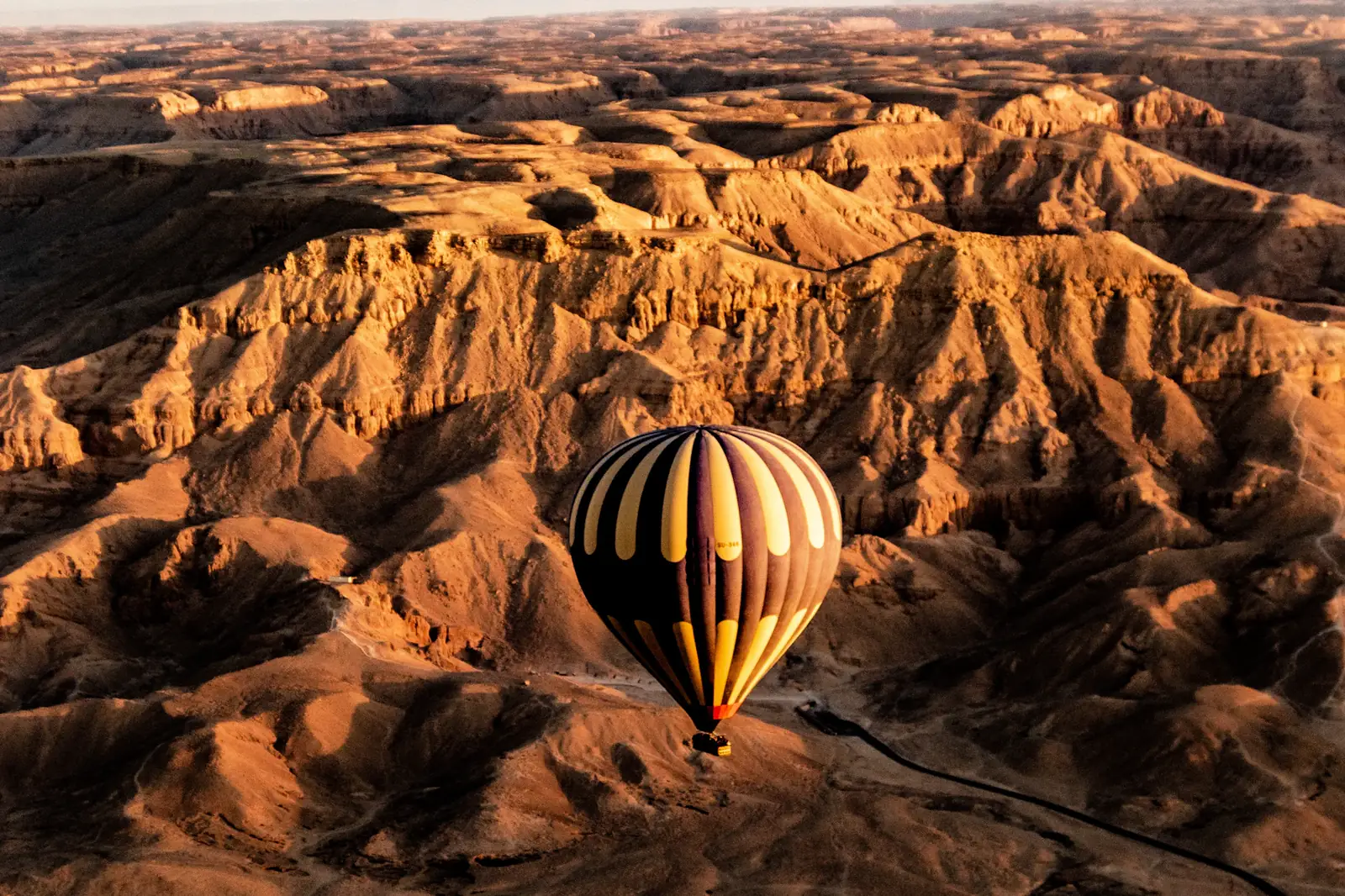
An early start takes you across the river to the Valley of the Kings, where the pharaohs of the New Kingdom were buried in richly painted tombs cut deep into the hills. Nearby, the terraced temple of Queen Hatshepsut rises from the cliffs at Deir el-Bahari, and the Colossi of Memnon stand guard over the fields. Back on board, the ship sets sail. Later comes one of the journey's small delights: passing through the lock at Esna, where boats wait their turn while local traders sometimes row alongside, tossing tablecloths and galabiyas up to the sun deck in a good-humoured ritual of bargaining.
Day 3 — Edfu and Kom Ombo
Morning brings Edfu and the Temple of Horus, the best-preserved temple in Egypt. Built in the Ptolemaic era and buried for centuries under sand and silt, it survives almost complete — roof, pylon, sanctuary and all — giving a rare sense of what a living temple felt like. Its walls tell the story of Horus's battle with Seth in vivid relief.
By late afternoon, the ship reaches Kom Ombo, where an unusual double temple sits on a bend of the river. One half is dedicated to Sobek, the crocodile god, the other to Haroeris, Horus the Elder. Next door, the Crocodile Museum displays mummified crocodiles recovered from the area — a slightly eerie, entirely fascinating reminder of how seriously the ancient Egyptians took their gods. Visit at sunset, when the columns turn to gold.
Day 4 — Aswan
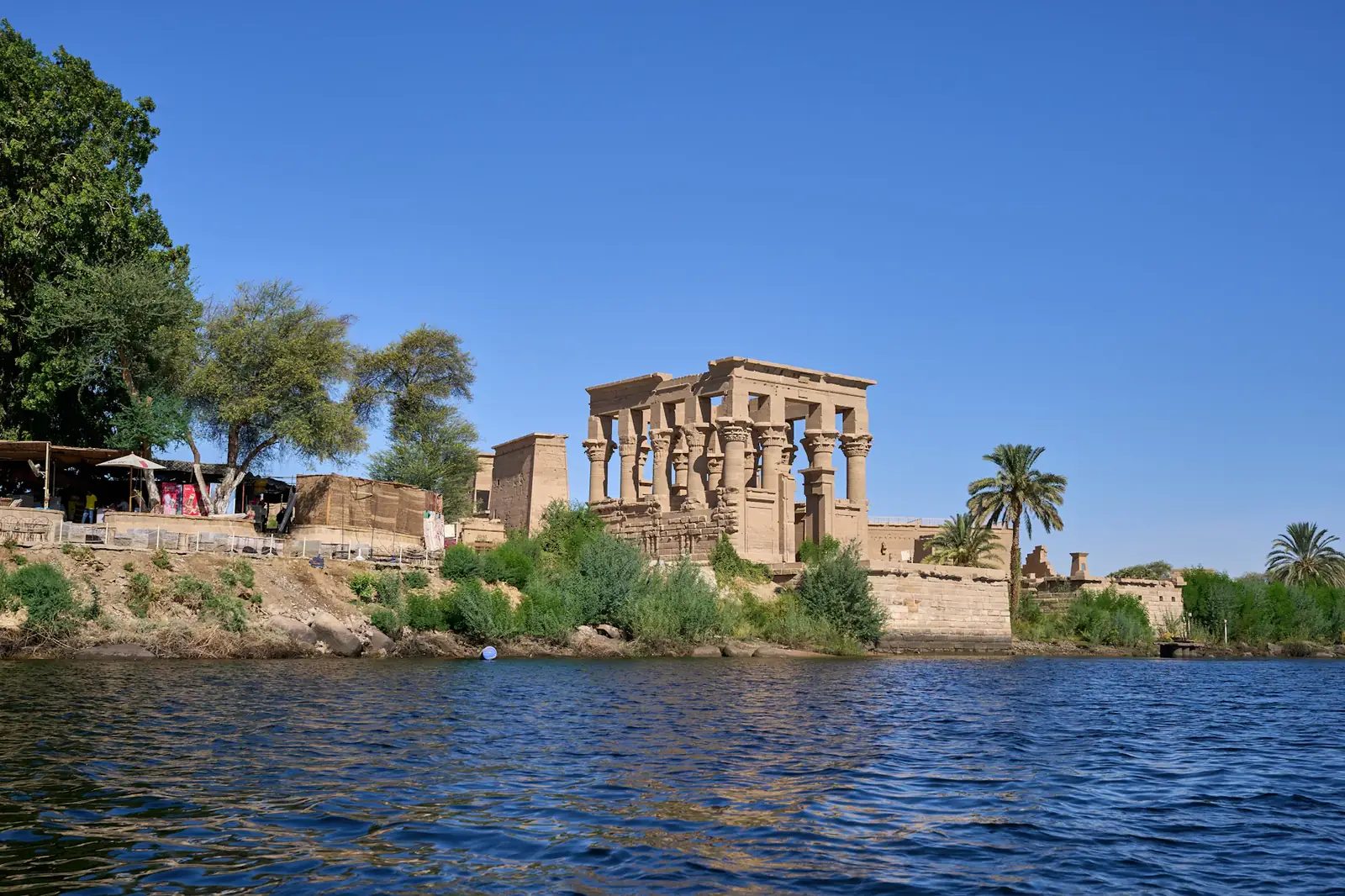
Aswan is the Nile at its most beautiful: smooth granite boulders, green islands and the golden dunes of the West Bank. A short boat ride leads to the Temple of Isis at Philae, rescued from rising waters in the 1970s and rebuilt, stone by stone, on Agilkia Island. Afterwards, the High Dam, completed in 1970, offers a sweeping perspective on modern Egypt's relationship with its river.
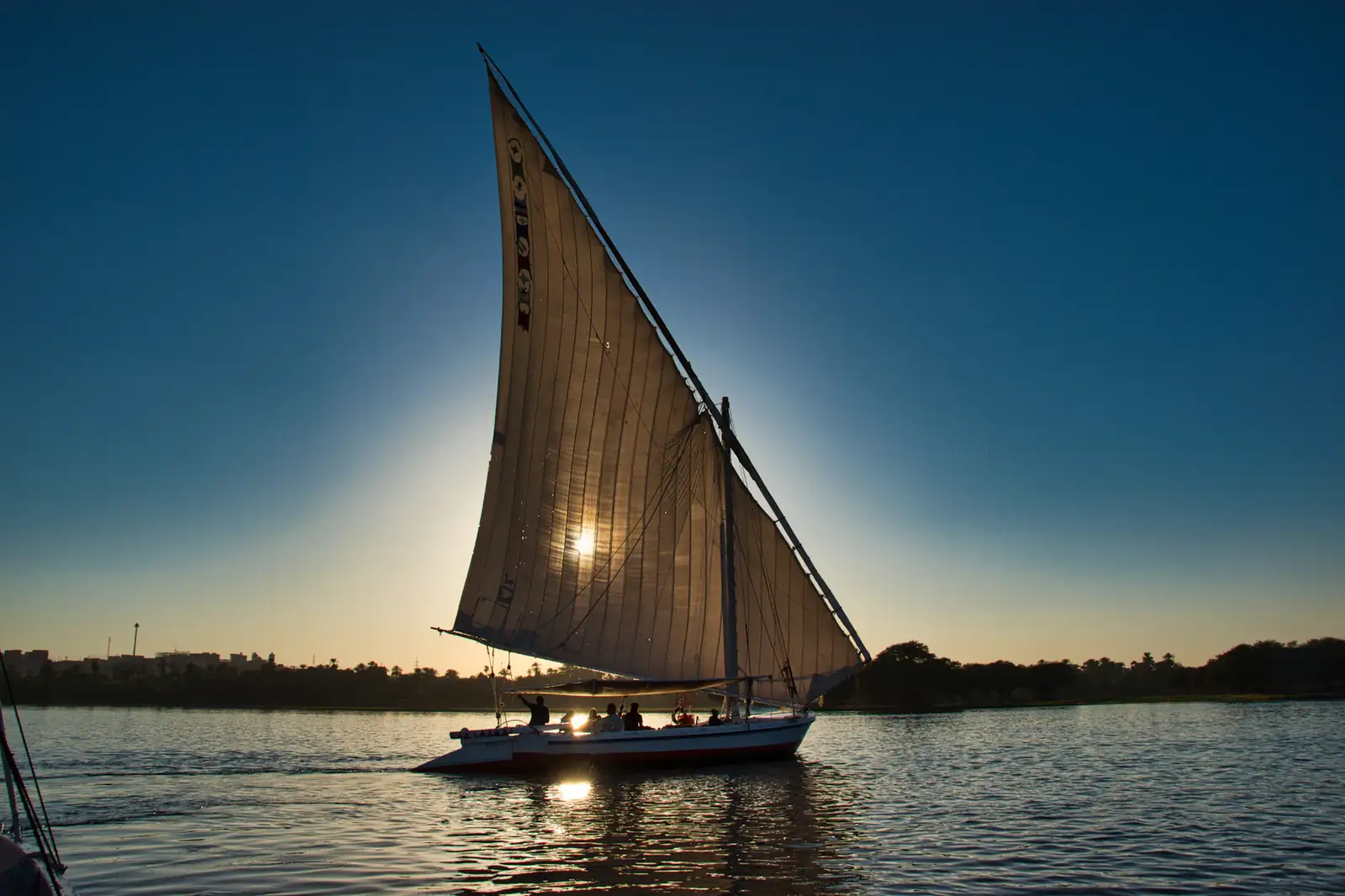
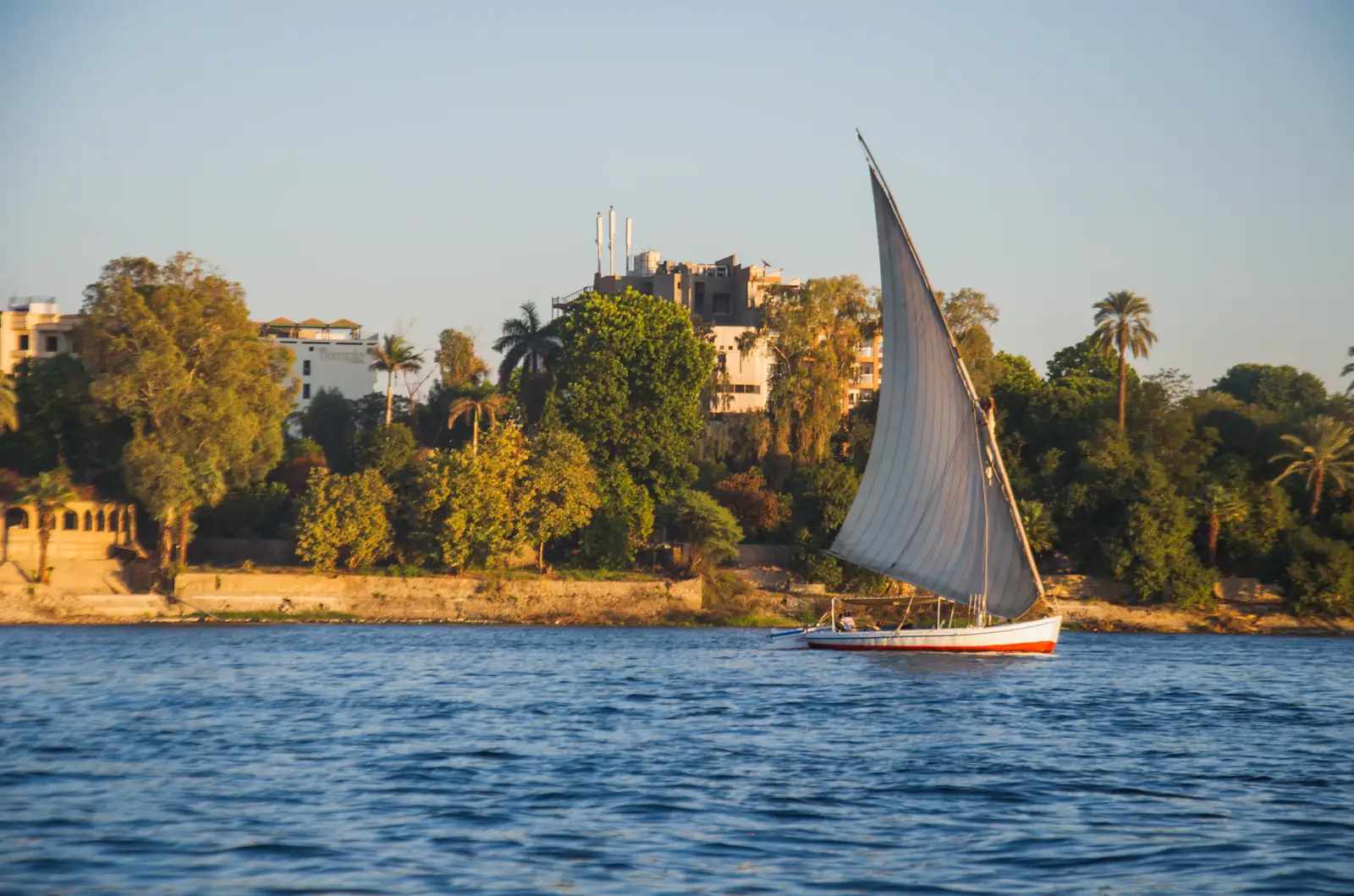
The afternoon is for slowing down. Board a felucca — the traditional sailing boat — and drift between Elephantine and Kitchener's Island as the light softens. Many journeys end with a visit to a Nubian village on the West Bank, with its brightly painted houses, warm hospitality and glasses of hibiscus tea.
Day 5 — Farewell to the river
After breakfast, you leave the ship — perhaps continuing to Abu Simbel, perhaps flying back to Cairo, almost certainly a little reluctant to go.
Choosing your cabin
- Upper decks are quieter, further from the engines and offer the best views.
- A private balcony or French windows transform the experience; watching the banks glide by from your own cabin is the essence of the journey.
- Suites are worth considering for longer sailings or special occasions.
What to pack
- Light, breathable clothing that covers shoulders and knees for site visits.
- A warm layer for evenings on deck, especially in winter.
- A wide-brimmed hat, sunglasses and high-factor sunscreen.
- Comfortable walking shoes for uneven temple floors.
- Something a little smarter for dinner on board.
- Small notes for tips and market purchases.
Should you wish to see the Nile this way, Golden Scarab's team would be happy to curate a cruise and shore programme around your dates and interests.