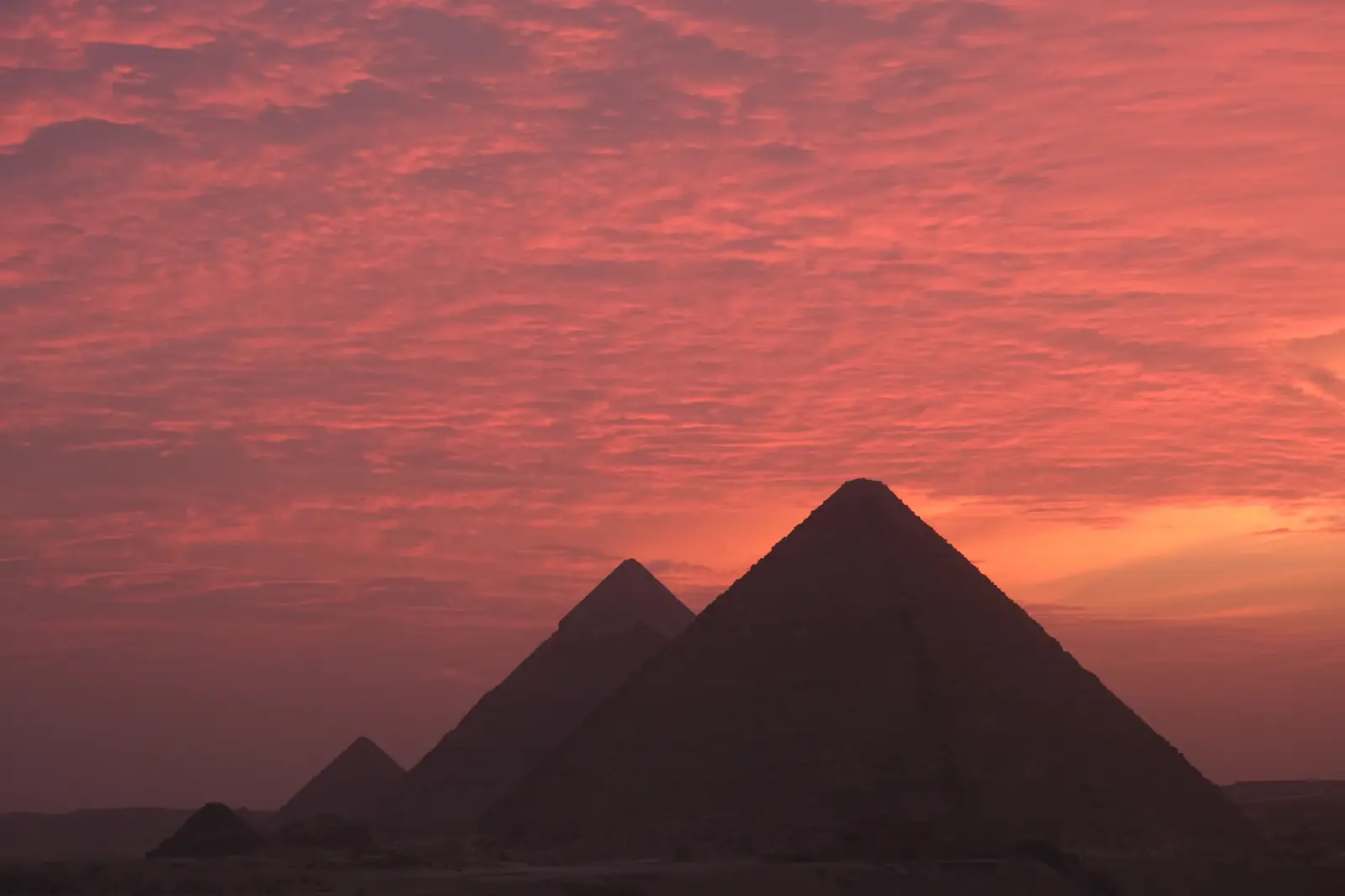



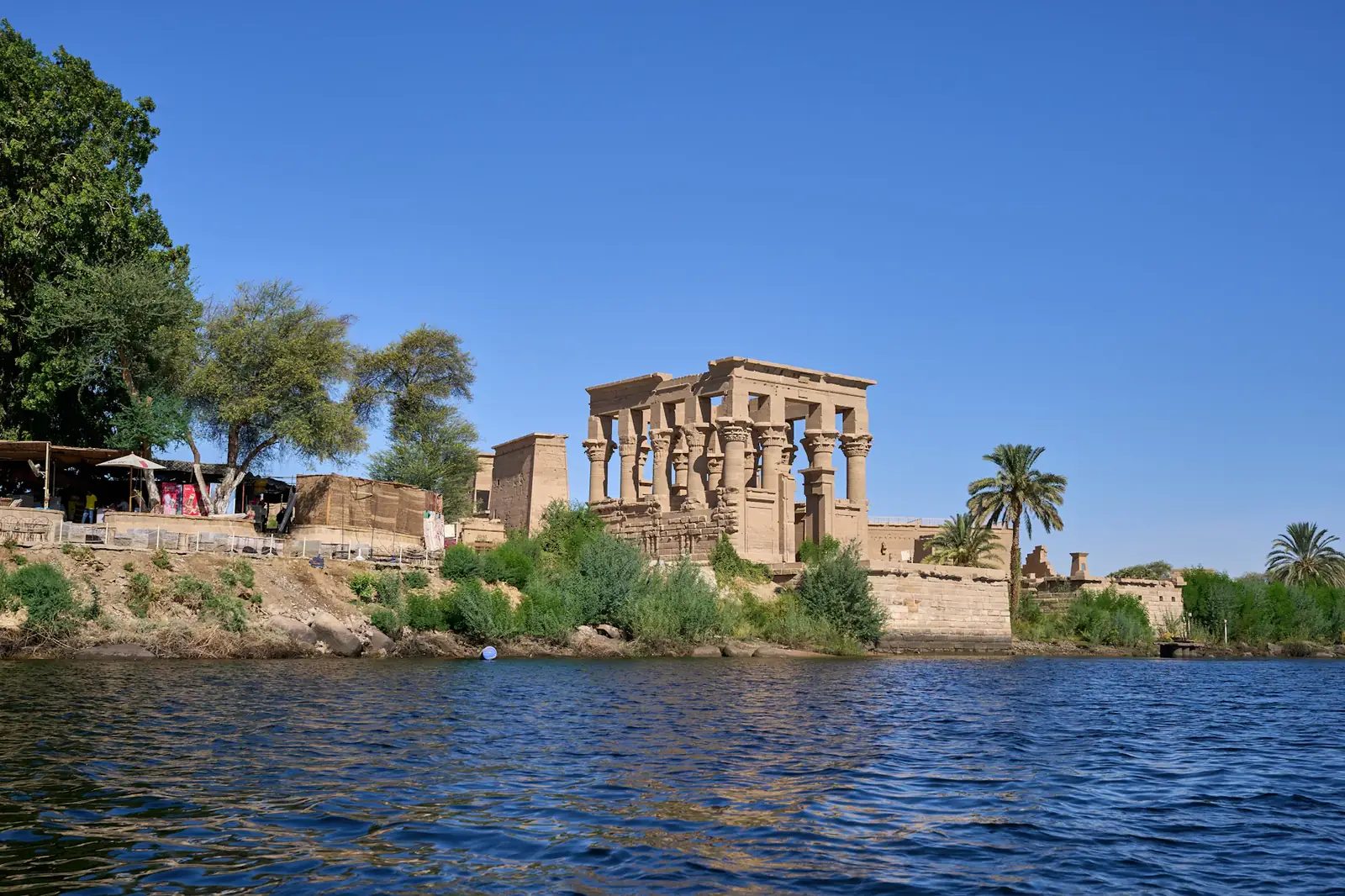
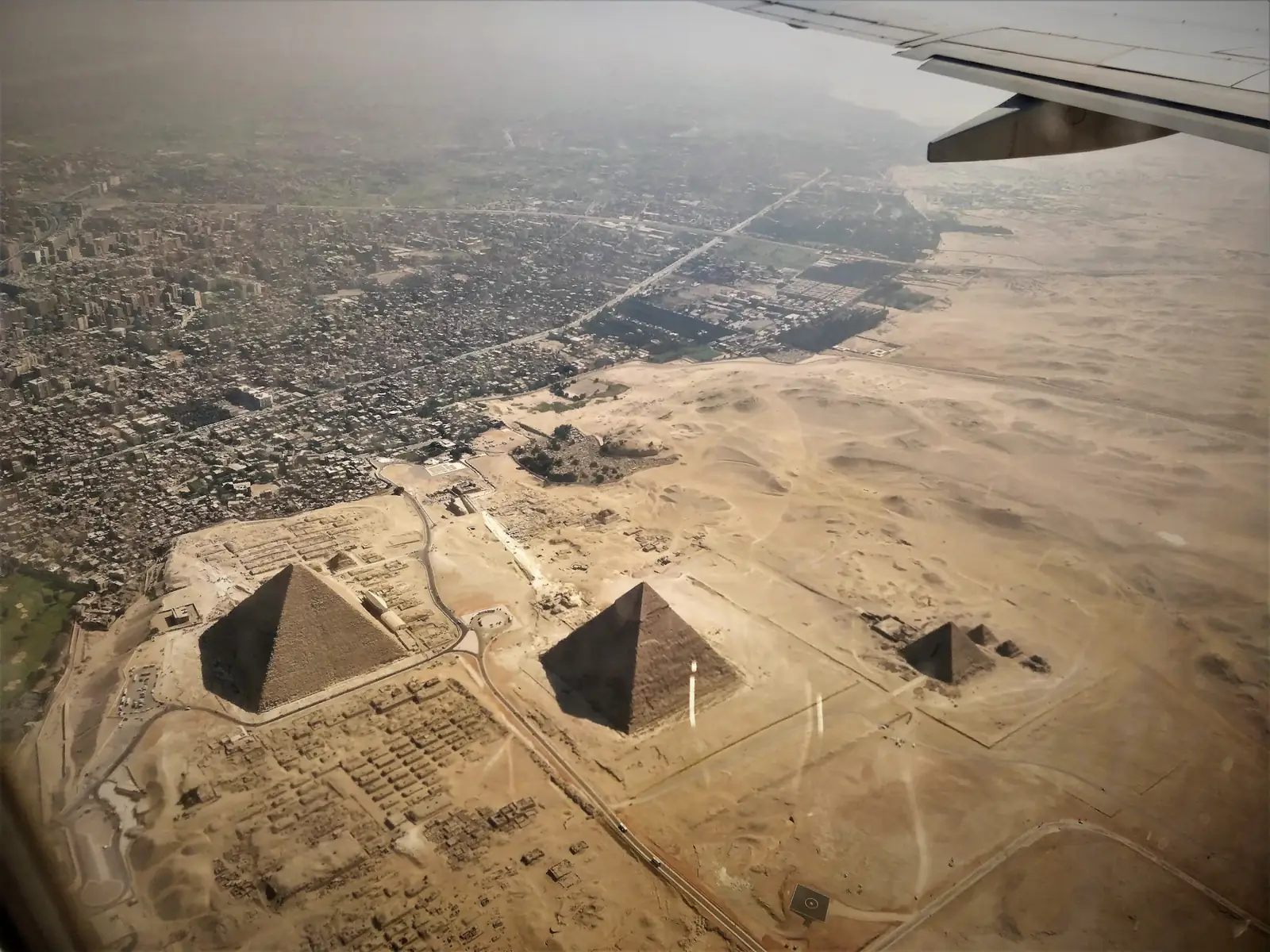
For more than a century, Egypt's greatest treasures lived in the beloved but crowded Egyptian Museum on Tahrir Square. The Grand Egyptian Museum changes the scale of the conversation entirely. Set on the edge of the Giza plateau, within sight of the Pyramids, it is one of the largest museums in the world dedicated to a single civilisation — and a first visit rewards a little planning.
Why the Grand Egyptian Museum matters
The museum was conceived to give ancient Egypt a home worthy of its collections: vast, light-filled galleries, modern conservation laboratories and room to display objects that had spent decades in storage. Its monumental façade takes its geometry from the sightlines towards the Pyramids, so the building feels like an extension of the plateau rather than a neighbour to it.
What not to miss
The atrium and King Ramesses II
You will meet the museum's most famous resident before you have even reached the galleries. The colossal statue of Ramesses II — around eleven metres tall and more than 3,000 years old — stands in the grand atrium, having travelled from a busy Cairo square to its new home. Take a moment here: the scale is the point, and the natural light changes the mood of the granite throughout the day.
The Grand Staircase
Rising from the atrium, the Grand Staircase is lined with colossal statues of kings, queens and deities, arranged so that the ascent becomes a walk through thousands of years of royal imagery. At the top, a panoramic window frames the Pyramids of Giza — perhaps the most photographed view in the building.
The Tutankhamun galleries
For the first time since Howard Carter opened the tomb in 1922, the complete funerary collection of Tutankhamun is presented together — more than 5,000 objects, from the golden mask and jewellery to chariots, shrines, beds, sandals and the everyday things a young king expected to need in eternity. Give these galleries unhurried time; their power lies as much in the small, intimate pieces as in the gold.
The Khufu boat
Khufu's ancient cedarwood boat — discovered in a sealed pit beside the Great Pyramid in 1954 and painstakingly reassembled — now has its own dedicated museum within the complex. At roughly 4,500 years old and more than 40 metres long, it is one of the oldest and best-preserved vessels ever found.
Practical tips for a first visit
- Book a time slot. Entry works on timed tickets, and popular days sell out. Booking ahead through official channels saves queueing and disappointment.
- Allow at least half a day. Four to five hours is a comfortable minimum; enthusiasts can happily spend a full day.
- Pair it with the Pyramids. The plateau is minutes away. Many visitors see the Pyramids early in the morning, before the heat, then retreat into the cool galleries for the afternoon.
- Dress for walking. Distances are generous and floors are hard, so comfortable shoes are essential. Light layers help as you move between sunlit outdoor areas and air-conditioned halls.
- Check photography rules on the day. Policies can vary by gallery and change over time, so look for signage or ask staff before using a camera or phone.
- Consider a specialist guide. A good Egyptologist turns a beautiful display into a story, and helps you prioritise if time is short.
- Pause for lunch. Restaurants and cafés on site let you break the visit in two without leaving the complex.
A suggested route
Start in the atrium with Ramesses II, climb the Grand Staircase slowly, enjoy the Pyramid view at the top, then dedicate your freshest energy to the Tutankhamun galleries. After a break, continue to the main galleries and finish with the Khufu boat. If you visited the Pyramids that morning, the story comes full circle — from the monuments on the plateau to the objects that once filled the world around them.
If you would like the museum woven into a wider Cairo programme — with a private Egyptologist, seamless transfers and a relaxed pace — Golden Scarab's team would be delighted to tailor one for you.