
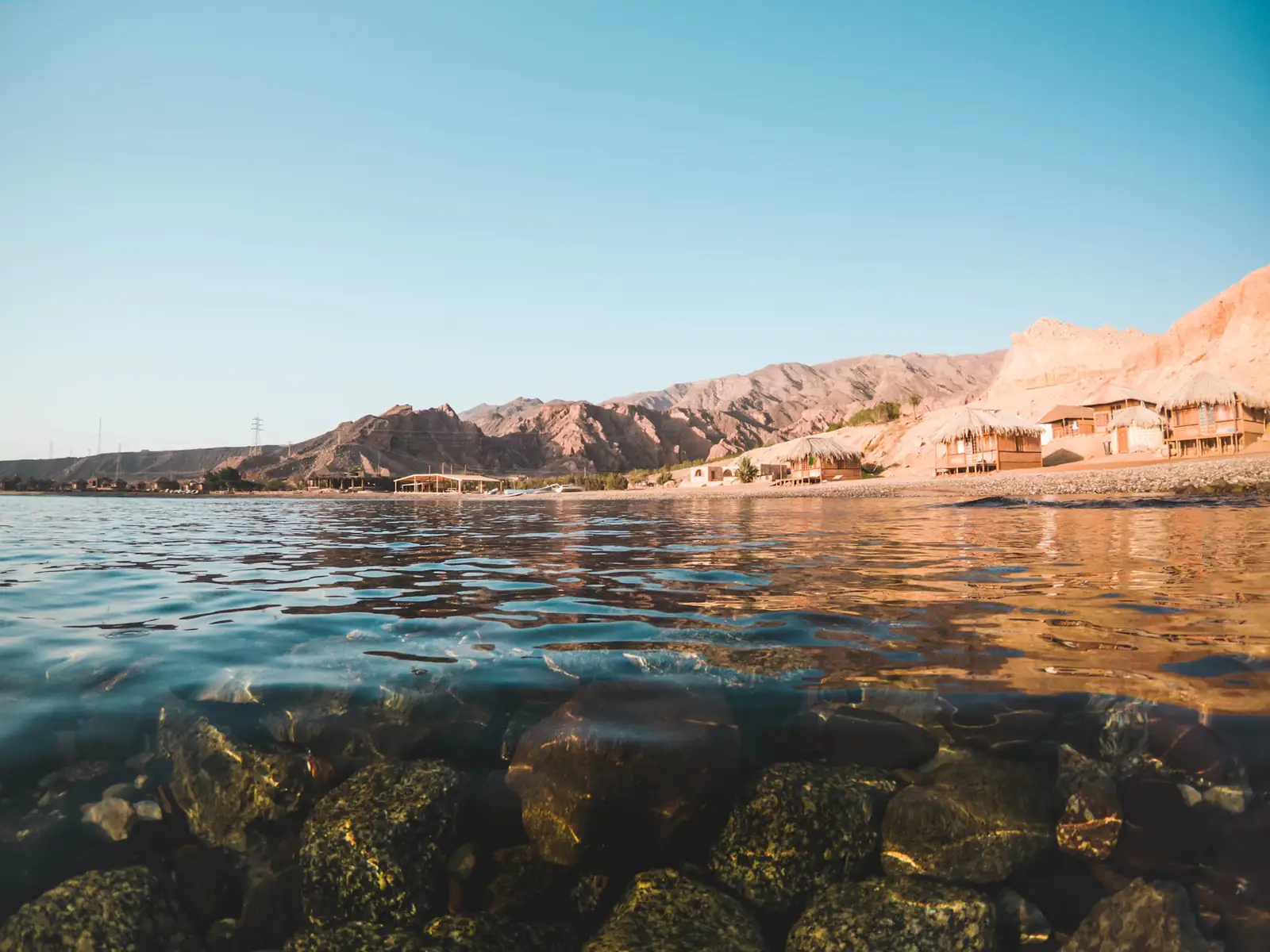
Egypt's Red Sea coast stretches for well over a thousand kilometres, from the Gulf of Suez to the Sudanese border, while the Sinai Peninsula adds its own dramatic shoreline along the Gulf of Aqaba. The water is clear, the reefs are among the richest on the planet, and the sun shines almost every day of the year. The real question is not whether to go, but where. Here is how the four best-known destinations compare.
Hurghada: easy, sociable and family-friendly
Hurghada is the Red Sea's most established resort city, with a long coastline of hotels, a lively marina and flights from across Europe and the region. Its great strength is access: boats leave daily for the Giftun Islands, a protected area of powder-white beaches and shallow reefs that are perfect for snorkelling. It suits families, first-time divers and anyone who likes plenty of choice.
Just to the north lies El Gouna, a lagoon town built across islands and canals, with a refined atmosphere, excellent restaurants, a marina and reliable winds for kitesurfing. Many travellers stay in El Gouna and simply dip into Hurghada's boat trips.
Sharm El Sheikh: reefs of international fame
At the southern tip of Sinai, Sharm El Sheikh sits beside some of the most celebrated diving in the world. Ras Mohammed National Park, Egypt's first national park, protects dramatic reef walls, schools of barracuda and jacks, and the famous Shark and Yolanda reefs. The Strait of Tiran offers further world-class sites, and the SS Thistlegorm, a Second World War wreck, draws experienced divers from across the globe. Sharm is polished and well equipped, with a wide range of resorts and a lively promenade at Naama Bay.
Dahab: bohemian, relaxed and adventurous
About an hour's drive north of Sharm, Dahab is a former Bedouin fishing village that has kept its easy-going spirit. Cafés spill onto the seafront, and the mountains of Sinai rise directly behind the town. Snorkellers and divers come for sites such as the Lighthouse, right in town, and the Canyon. The legendary Blue Hole is breathtaking from the surface, but its depths are strictly for experienced, properly trained divers — it has claimed lives and must be treated with respect. Snorkelling along its rim in calm conditions, with a guide, is the way for everyone else to enjoy it. Dahab is also a base for windsurfing, kitesurfing and sunrise hikes up Mount Sinai.
Marsa Alam: wild, quiet and full of marine life
Far to the south, Marsa Alam feels a world away from the busier resorts. The coastline is less developed, the reefs are pristine and the marine life is spectacular. In Abu Dabbab Bay, green turtles graze on seagrass in shallow water, and — if you are very lucky — you may glimpse a dugong, one of the sea's most elusive creatures. Offshore, Elphinstone Reef is known for oceanic whitetip sharks, while Samadai Reef, often called Dolphin House, is home to resident spinner dolphins, with visits regulated to protect them. Nearby, Wadi El Gemal National Park brings together desert, mangroves and coastline.
Which one is for you?
- Families and first-timers: Hurghada or El Gouna, for easy logistics and gentle beaches.
- Serious divers: Sharm El Sheikh for Ras Mohammed and the Thistlegorm, or Marsa Alam for pristine reefs and big marine life.
- Free spirits and adventurers: Dahab, with its laid-back charm, mountains and desert.
- Nature lovers seeking calm: Marsa Alam, especially outside the holiday periods.
Good to know
- The Red Sea is a year-round destination, but the water is cooler in winter (around 21–23°C) and warmest in late summer.
- Use reef-safe sunscreen, never stand on or touch the coral, and do not feed the fish.
- Choose licensed dive centres and be honest about your certification and experience.
- Winter evenings on the coast can be breezy; pack a light jacket.
If you are still torn between coasts, Golden Scarab's team would be pleased to help you decide — and to arrange a stay that fits the way you like to travel.