


Egypt is a year-round destination, but it is not the same country in January as it is in July. The right month depends on what you are looking for: temples in Upper Egypt, reefs on the Red Sea, or the silence of the Western Desert. Here is how the calendar really plays out.
The big picture
From October to April, the climate across most of the country is at its kindest: warm, sunny days and cool evenings. This is peak season for Cairo, Luxor and Aswan. From May to September, temperatures in the Nile Valley climb steeply — Luxor and Aswan regularly exceed 40°C in high summer — while the Red Sea coast, cooled by sea breezes, stays popular all year round.
Month by month
January and February
The heart of the high season. Days in Luxor and Aswan are pleasantly warm, ideal for long hours at Karnak or in the Valley of the Kings, while Cairo can feel surprisingly cool in the evenings, so pack a light jacket. On 22 February, the sun festival at Abu Simbel sees the first rays of dawn travel deep into the temple to illuminate the statues in its inner sanctuary — an extraordinary, and very popular, occasion.
March and April
Temperatures rise gently and the light is beautiful, making this an excellent window for Nile cruises and desert journeys. Be aware of the khamaseen, a hot, dusty spring wind that can blow for a day or two at a time. Easter and the Egyptian spring festival of Sham El-Nessim bring local crowds to parks and gardens.
May and June
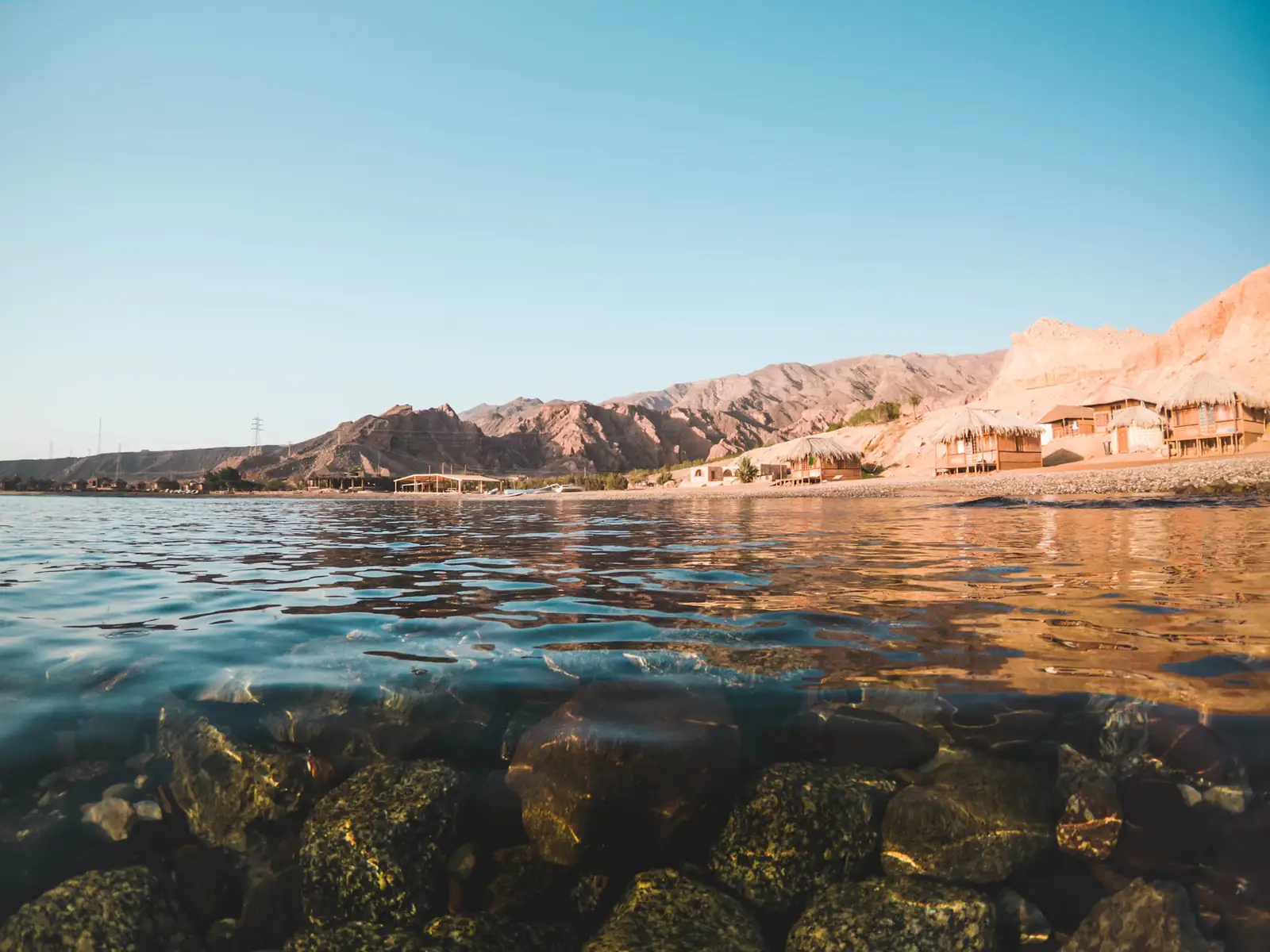
The heat builds in the south, and sightseeing in Luxor becomes a matter of early starts and long, shaded lunches. The Red Sea, meanwhile, is warming up nicely, which makes this a lovely time for diving and snorkelling. Prices ease as the peak season ends.
July and August
High summer. Upper Egypt is best reserved for travellers who genuinely enjoy intense heat and are happy to visit sites at sunrise. The Mediterranean coast and the Red Sea come into their own, with warm water and a lively atmosphere, and the air-conditioned galleries of the Grand Egyptian Museum make Cairo a comfortable city break.
September
Still hot, but the edge begins to soften late in the month. Sea temperatures along the Red Sea are at their warmest — a real treat for divers.
October
The season reopens. The Nile Valley becomes comfortable again, and on 22 October Abu Simbel hosts the second sun festival of the year. The Western Desert, from Siwa to the White Desert, enters its best months.
November and December
Arguably the most balanced months of all: mild weather everywhere, clear skies, and a Red Sea still warm enough for swimming. The Christmas and New Year fortnight is the busiest and most expensive period of the year, so plan well ahead.
Special considerations
- Ramadan. The holy month follows the lunar calendar and moves roughly eleven days earlier each year, so check the dates for your year of travel. Sites remain open, often with shorter hours, and the evenings — when families break the fast together and the streets come alive — are a memorable time to be in Cairo. During daylight hours, be discreet about eating and drinking in public.
- The Red Sea in winter. The air is pleasant, but the water is cooler, around 21–23°C; a thicker wetsuit makes diving far more comfortable.
- The desert. Siwa, the White Desert and the Great Sand Sea are at their best between October and March. Winter nights in the desert can be genuinely cold, so warm layers are essential for camping.
- Public holidays. Egyptian school holidays and national feasts bring many domestic travellers to the coast; plan resort stays accordingly.
Our recommendation
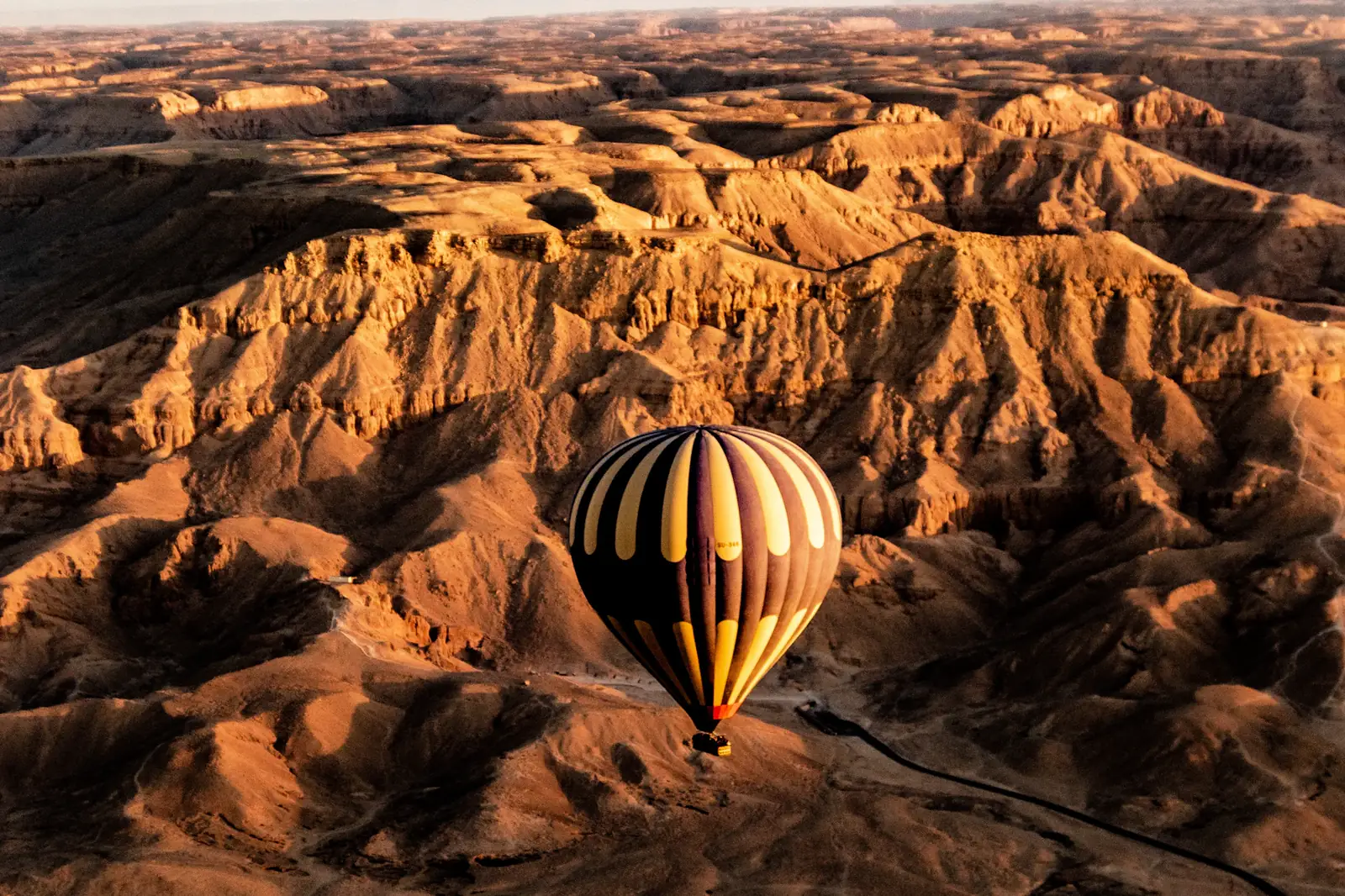
For a first visit combining Cairo, a Nile cruise and a few days on the Red Sea, October to November and February to April offer the best balance of comfortable weather and manageable crowds. If diving is your passion, the late summer and autumn months are hard to beat. And if you simply want to see Egypt at its most luminous, a clear winter morning in Luxor, with hot-air balloons drifting over the West Bank, is difficult to improve upon.
Whatever the season, Golden Scarab's team would be glad to help you choose the right dates and shape a programme around them.